

-
 admin
admin - 24th July 2026
Design Standards and Core Advantages of High-Performance Carbon Fiber Contact
Preface
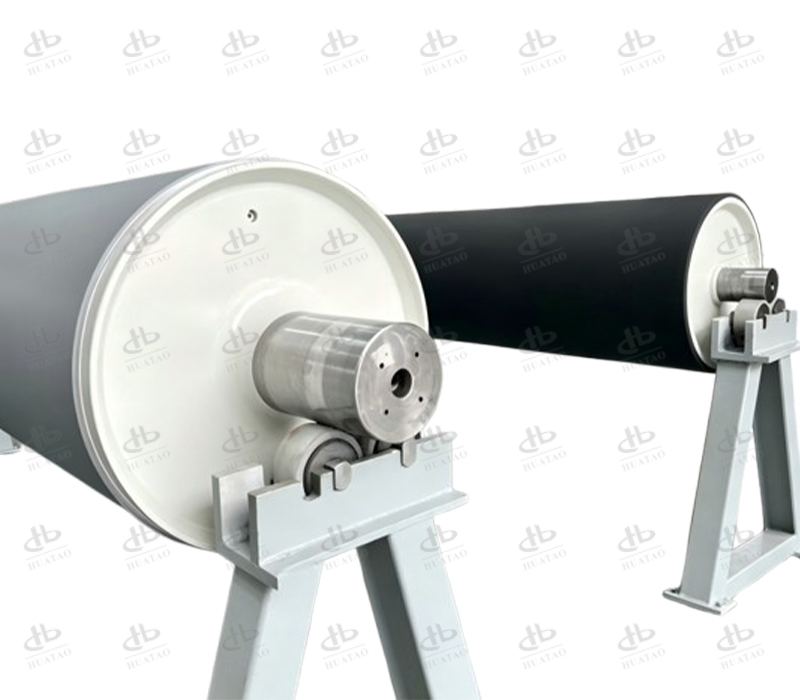
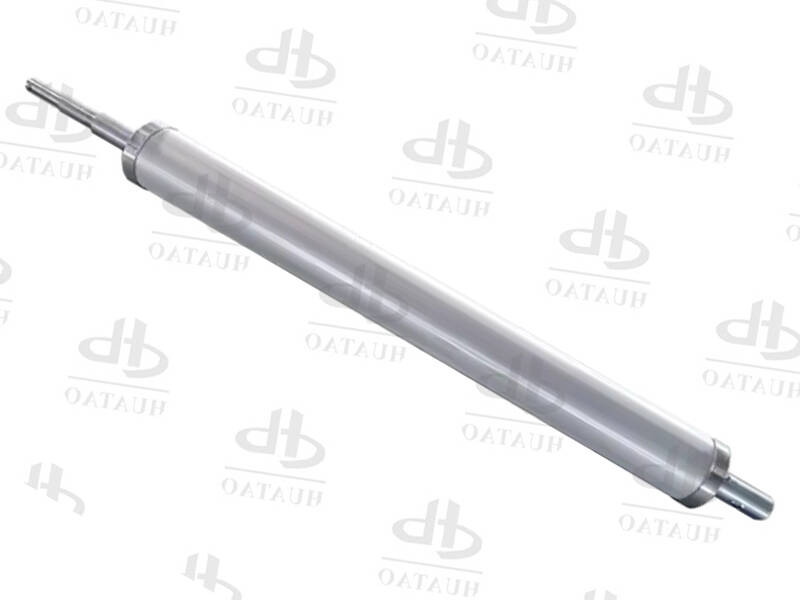
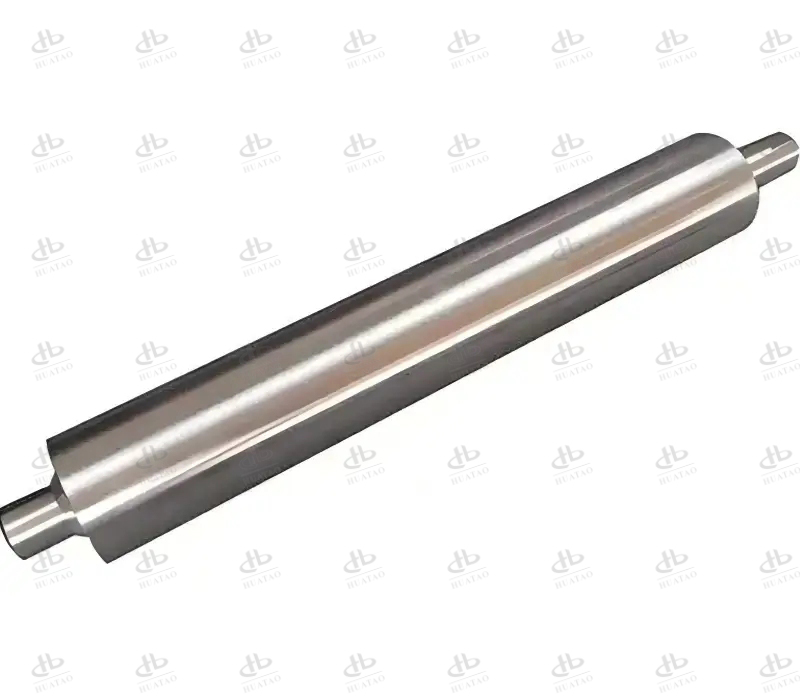
For manufacturers equipped with high-speed film winding equipment, the performance of contact rolls directly affects winding dimensional accuracy, service life of transmission components and comprehensive power consumption of the whole production line. Traditional rolls made of steel or aluminum alloy have obvious defects such as heavy weight and large rotational inertia, which restrict the maximum operating speed of the production line. Carbon fiber composite (CFRP) contact rolls have become the preferred upgrading component for modern film winding workshops due to their unique lightweight and high-rigidity characteristics. This paper systematically expounds the comprehensive advantages of carbon fiber contact rolls and standardized design parameters for reference by equipment engineers and production procurement personnel.
Six Core Performance Advantages of Carbon Fiber Composite Contact rolls
2.1 Stable High-Speed Rotation Performance The carbon fiber composite structure possesses much smaller rotational inertia than metal rolls of the same specification. The roll can maintain stable rotation under ultra-high linear speed without vibration, effectively avoiding production defects including uneven winding thickness, film surface wrinkling and edge deviation of finished rolls.
2.2 Support Higher Continuous Production Speed The low-inertia structural feature removes the speed limitation brought by heavy metal rolls. Enterprises can raise the operating speed of winding equipment to increase daily output and optimize the continuity of winding production flow.
2.3 Reduce Load of Drive and Bearing Parts The lightweight feature of carbon fiber materials reduces the long-term load borne by drive motors and supporting bearing groups. The operating fatigue of core transmission components is lowered, extending the service cycle and cutting daily maintenance costs of the production line.
2.4 Improve Operation Safety During roll Replacement Carbon fiber contact rolls are far lighter than steel rolls with the same size. The labor intensity of operators during roll disassembly, replacement and routine maintenance is reduced, effectively lowering safety risks caused by lifting overweight metal components.
2.5 Reduce Long-Term Factory Energy Consumption The lighter roll body requires less power consumption in acceleration and constant-speed operation stages, helping film manufacturers cut the monthly electricity cost of winding workshops for a long time.
2.6 Fast Response of Speed Acceleration and Deceleration Compared with rigid metal rolls, carbon fiber contact rolls realize faster speed rise and fall. The flexibility of production switching is improved when factories frequently replace film specifications and production batches.
Complete Standard Design Process for Qualified Carbon Fiber Contact rolls
To manufacture carbon fiber contact rolls matching on-site winding equipment, production parameters of the workshop need to be collected and analyzed comprehensively, with no omission of any key index: 4.1 Collect Basic Operating Parameters of Winding Machines Take the maximum operating speed of winding equipment, thickness range of processed film and specific film types as the fundamental design basis, covering BOPET, BOPA, optical film, lithium battery separator, capacitor film and paper substrates. 4.2 Confirm Installation Layout Between Contact roll and Winding Drum Obtain accurate layout drawings to clarify the relative position of carbon fiber roll and winding unit, and sort out tension vectors and force distribution generated during film winding operation. 4.3 Record Key Force Control Indicators Accurately collect real operating data including film tension, linear contact pressure between roll and film, as well as wrapping contact angle. The above parameters determine the required rigidity and outer diameter of the finished carbon fiber roll. 4.4 Take Deflection and Tensile Strength as Core Quality Indicators roll deflection is the key judgment standard of structural rigidity; the smaller the bending deflection during operation, the higher the overall rigidity of the roll. Carbon fiber rolls with higher tensile strength can form more uniform winding layers and eliminate bad phenomena such as film edge curling and inconsistent roll density.
Custom Manufacturing Support Service
For enterprises in need of low-deflection and high-speed carbon fiber contact rolls matched with film winding equipment, the professional technical team can provide one-to-one parameter matching, structural optimization and full customized manufacturing solutions.
Contact Information
Jenny Liu Mobile / WhatsApp: +86 177437897755 Email: sale05@huataogroup.com Official Website: www.huataorolls.com

 Related
.jpg)




Excellent Service Each and Every Time