


-
 admin
admin - 24th July 2026
Classification, Complete Production Process and Core Manufacturing Equipment of
1 Overview of Prepreg Composite Materials
Prepreg is a key semi-finished intermediate material in the high-end composite manufacturing industry, which is widely used in aerospace equipment, wind power generators, new energy vehicles and rail transit facilities. Although its appearance is similar to ordinary adhesive film rolls, it has ultra-light weight, ultra-high specific strength and long-term stable dimensional performance, and has become an irreplaceable core raw material for upgrading all kinds of high-performance industrial components.
Prepreg is formed by fully infiltrating reinforcing fibers such as carbon fiber, glass fiber and aramid fiber with resin matrix and carrying out semi-curing B-stage treatment. During the molding process, manufacturers can directly heat and pressurize prepreg to form finished parts without on-site resin blending and dipping procedures, which greatly improves the consistency and stability of finished composite products. Its core competitive advantages are summarized as follows:
- The fiber orientation and resin content can be precisely controlled in the production stage;
- The internal void ratio of the finished material is low, with excellent comprehensive mechanical properties;
- Short forming cycle, which meets the demand of mass production of high-end parts;
- Customizable width, thickness and fiber laying mode to adapt to different process requirements of various industries.
2 Three Major Classification Standards of Prepreg Materials
The overall performance of prepreg is determined by resin matrix, reinforcing fiber type and fiber laying structure. Different collocation schemes correspond to differentiated industrial application scenarios.
2.1 Classification Based on Resin Matrix: Thermoset Prepreg & Thermoplastic Prepreg
2.1.1 Thermoset Prepreg (Mainstream Market Product)
After complete curing, the molecular structure cannot be melted and reconstructed, featuring stable dimensional performance and excellent mechanical strength, which is the mainstream material choice for aerospace and wind power industries.
- Epoxy prepreg: Balanced comprehensive performance, outstanding heat and moisture resistance and strong bonding force, suitable for aircraft fuselage, wind turbine blades and high-end sports equipment;
- Phenolic prepreg: Excellent heat resistance and flame retardancy, low smoke emission after combustion, applied to aircraft interior parts and marine fire-proof structural components;
- BMI prepreg: Stable continuous service temperature up to 250℃, matched with aero-engine shells and wing leading edge structures;
- Cyanate ester prepreg: Low dielectric constant and high wave transmittance, customized production for radome and satellite signal receiving components.
2.1.2 Thermoplastic Prepreg (Fast-Growing New Material Category)
It supports secondary hot melting, hot repair and impact resistance, with short molding cycle, which is suitable for mass production of automobile parts and unmanned aerial vehicle components.
- PEEK & PEKK prepreg: High temperature and wear resistance, used for aero-engine accessories and high-end medical implant materials;
- PPS prepreg: Flame retardant and corrosion resistant, applied to new energy vehicle battery shells and wind power auxiliary structures;
- PA prepreg: Low comprehensive cost and strong toughness, widely used in automobile structural parts and drone blades.
2.2 Classification Based on Reinforcing Fiber
- Carbon fiber prepreg: The highest specific strength and modulus, the optimal lightweight material solution for aerospace and high-performance racing vehicles;
- Glass fiber prepreg: Excellent cost performance, insulation and corrosion resistance, suitable for civil building materials and ordinary automobile parts;
- Aramid fiber prepreg: Super anti-impact and anti-cut performance, specially used for bulletproof equipment and aviation fire partition plates.
2.3 Classification Based on Fiber Laying Structure
- Unidirectional prepreg: Fibers arranged in a single direction, with more than 90% strength utilization rate, suitable for main load-bearing beams and support shafts;
- Woven fabric prepreg: Warp and weft interweaving structure, balanced isotropic performance and flexible forming, applicable to equipment shells and complex curved parts.
3 Six Standardized Production Procedures of High-Quality Prepreg
The production of high-standard prepreg requires full-process precision control. Each roll of finished material needs to go through six complete standardized processes to eliminate quality fluctuation risks:
- Raw material inspection: Conduct batch performance test on fiber and resin raw materials; all indexes need to be rechecked after replacing raw material suppliers;
- Resin modulation: Strictly control the temperature, humidity and reaction time of the modulation environment to stabilize resin viscosity and gel time, and avoid premature polymerization or damp deterioration;
- Resin film coating: Equipped with flat release film, matched with closed-loop tension system, heating rolland line speed control to produce uniform resin film without bubbles and cracks;
- Fiber dipping and lamination: Realize uniform fiber spreading and stable tension control to complete full resin infiltration without dry fiber spots, which is the core link of the whole production line;
- Finished product inspection: Manually check the surface for wrinkles and foreign impurities; the resin content tolerance is controlled within ±2%, the volatile content is kept below 1%~1.5%, and the viscosity and drapability meet industrial standards;
- Finished product storage and transportation: Sealed storage environment below 5℃ with horizontal stacking; restore to room temperature before unpacking to avoid condensation and material waste.
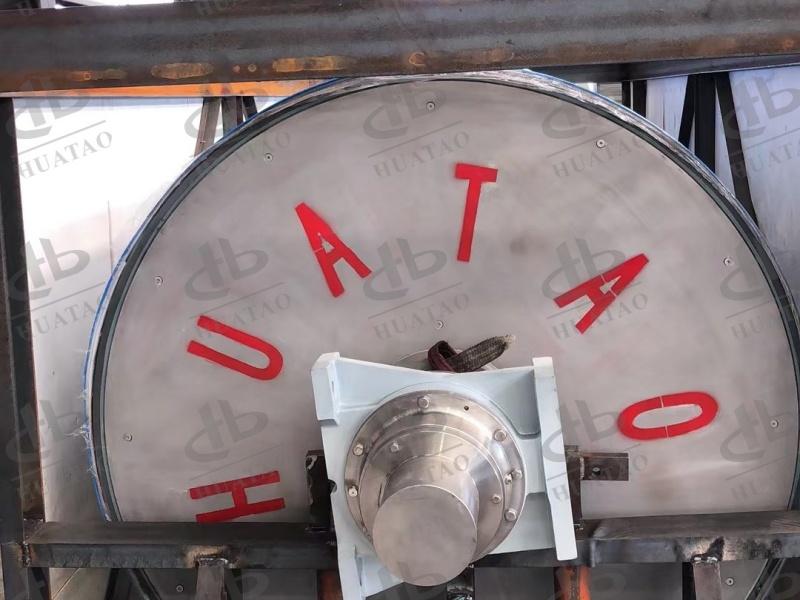
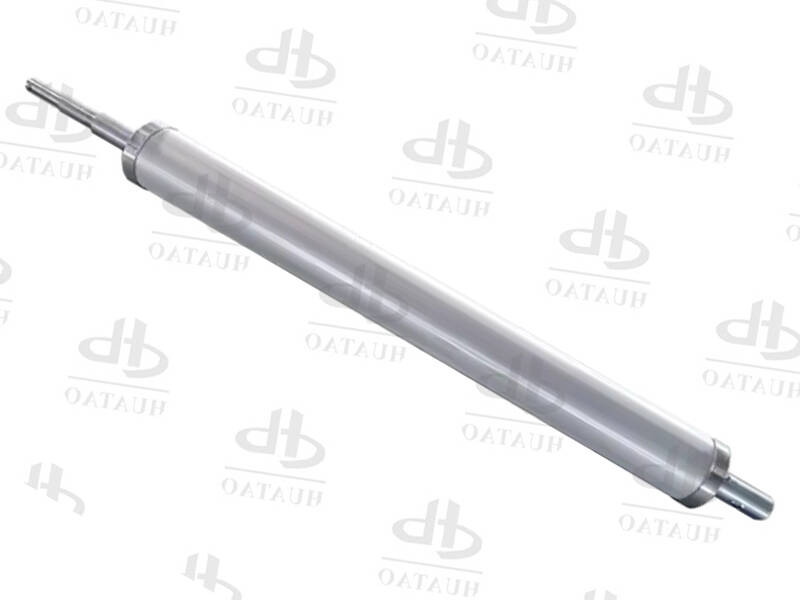
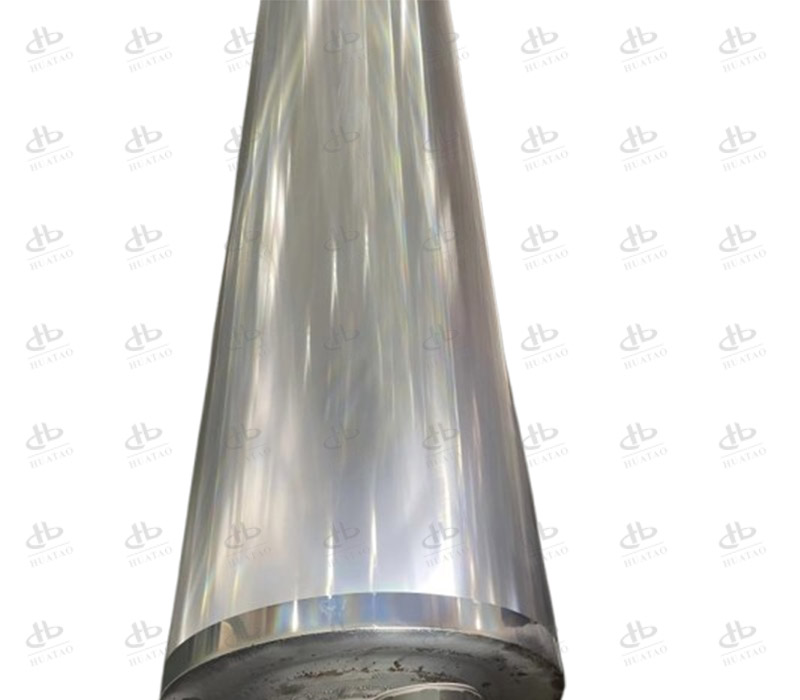
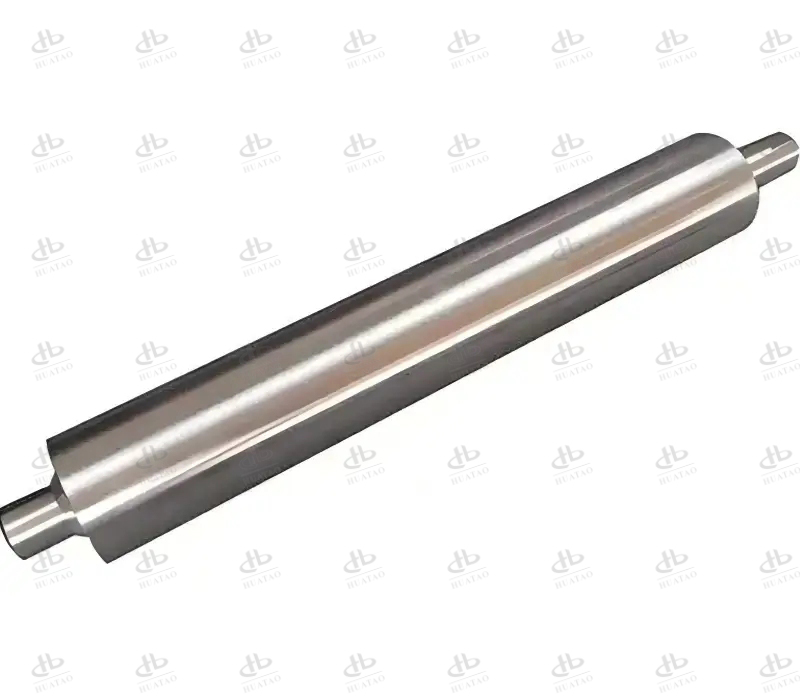
Aerospace-grade low-porosity prepreg puts forward ultra-high requirements for processing precision. Advanced domestic prepreg production lines are equipped with electromagnetic induction heating rolls, whose surface temperature control accuracy reaches ±1℃ and machining precision reaches micron level, breaking the long-term dependence on imported high-end processing equipment.
4 Main Application Fields of Prepreg Composite Materials
- Aerospace industry: Epoxy, BMI and cyanate ester carbon fiber prepreg are adopted for aircraft fuselage, wings, radomes and engine high-temperature components;
- Wind power industry: Carbon fiber epoxy prepreg is used for main beams of large wind blades, and glass fiber prepreg for auxiliary structural parts;
- New energy vehicle industry: Glass fiber PA prepreg for automobile body structural parts, carbon fiber PPS prepreg for battery shells to realize lightweight and safe design;
- Rail transit industry: Lightweight and flame-retardant prepreg for vehicle body structures and interior accessories to reduce noise;
- Sports and protective equipment: Prepreg materials for golf clubs, tennis rackets and skis; aramid fiber prepreg for bulletproof vests and safety helmets.
5 Core Processing Equipment for Prepreg Production Lines
The formula determines 70% of the final quality of prepreg, while production equipment determines the remaining 30%. Modern high-end prepreg manufacturing develops towards continuous, intelligent and ultra-precise direction. The whole production flow including fiber unwinding, spreading, film coating, hot pressing lamination, traction and winding realizes full closed-loop automatic control.
The hot pressing section, as the core working area of the production line, is equipped with precision electromagnetic induction heating rolls, which support real-time fine adjustment of temperature, roll gap and tension, and ensure that the resin content, thickness and surface flatness of prepreg reach aerospace manufacturing standards.
This complete set of production equipment supports three mainstream processes including hot melt, single-step and two-step molding, and is compatible with carbon fiber, glass fiber, aramid fiber as well as epoxy, PEEK, PPS, PA and other resin systems. It can stably mass-produce both thermoset and thermoplastic prepreg, and promote domestic composite prepreg to upgrade from ordinary functional materials to high-performance stable industrial raw materials.
6 Industry Development Prospect
As a segmented composite material, prepreg is the indispensable base material for all high-end composite manufacturing. With customized formula design, stable physical properties and efficient molding technology, it continuously optimizes the strength and dead weight of industrial parts and extends service life. From large civil aircraft, offshore wind turbines to new energy passenger cars, prepreg is promoting the lightweight, high-performance and green transformation of advanced manufacturing industry.
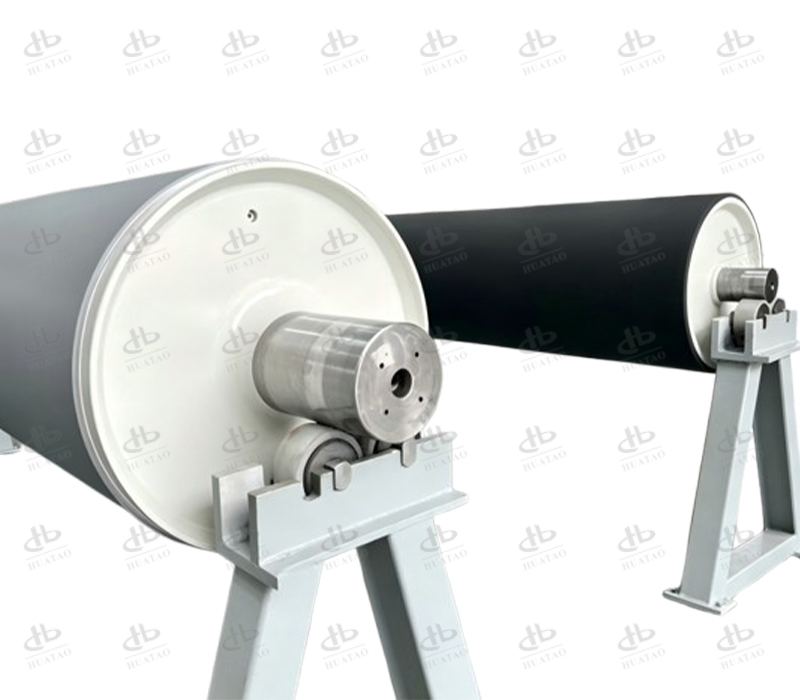
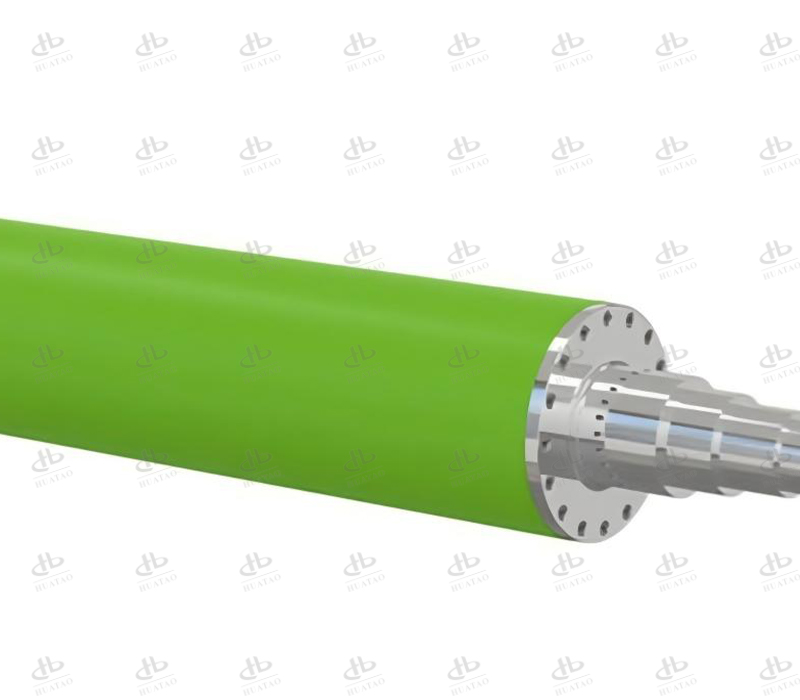
In the future, with the popularization of thermoplastic prepreg, simplification of molding process and reduction of equipment procurement cost, the application scope of prepreg will expand from high-end exclusive fields to a large number of civil manufacturing industries, and gradually become a general high-performance composite intermediate material widely used in all walks of life. High-precision silicone rolls and metal induction heating rolls can effectively improve the surface quality and overall yield of prepreg finished products.
Contact Information
WhatsApp: +86 17743789775 Email: sale05@huataogroup.com Official Website: https://www.huataorolls.com/induction-heating-roll.html

 Related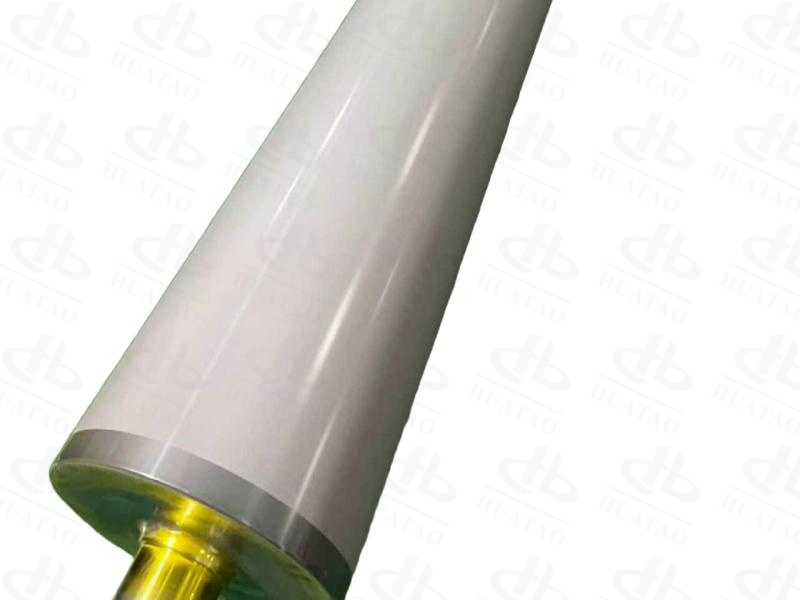
.jpg)




Excellent Service Each and Every Time