Paper Machine Forming Roll: A Critical Component for Efficient Sheet Formation
Introduction
The forming section is the first and one of the most important stages in the papermaking process. The quality of sheet formation at this stage directly affects paper strength, smoothness, uniformity, and final product performance.
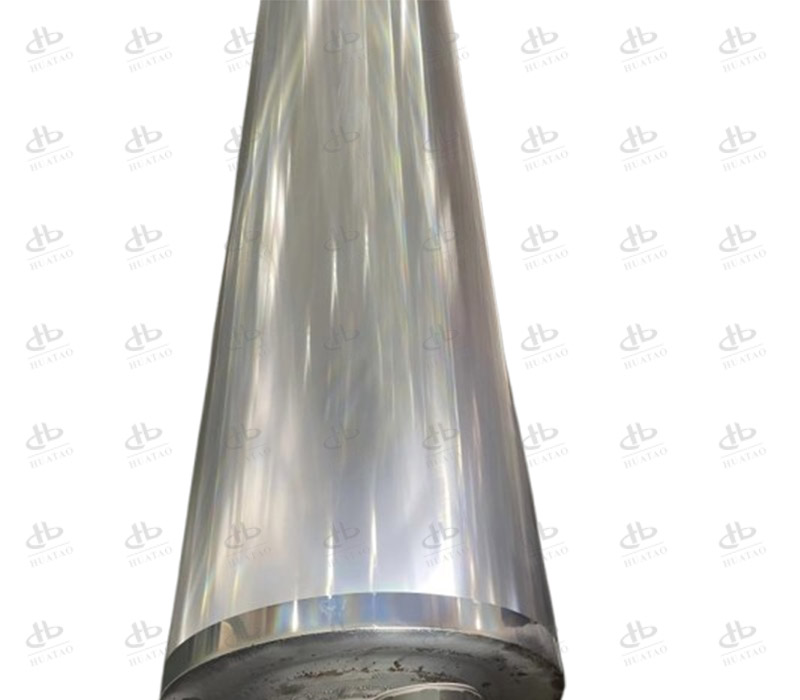
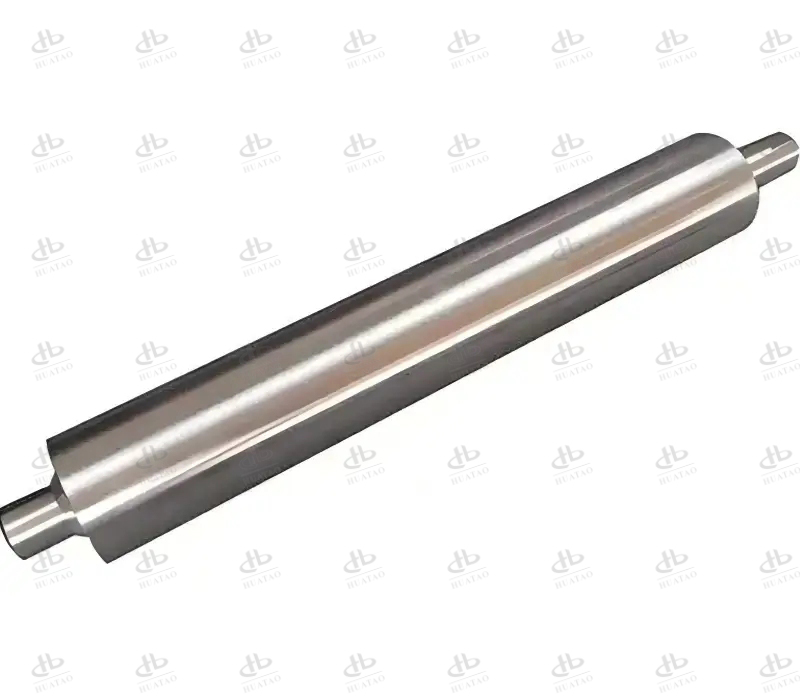
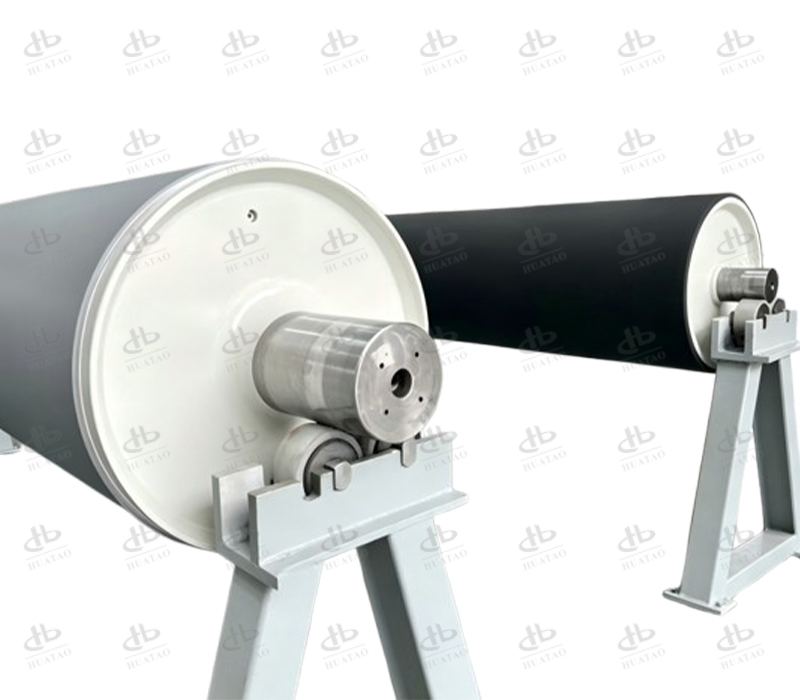
The Paper Machine Forming Roll is an essential component installed in the forming section of a paper machine. It works together with forming fabrics, table rolls, hydrofoils, and other drainage elements to support the continuous formation of the paper web.
During operation, the forming roll provides stable support for the forming fabric while helping control water drainage and fiber distribution. A precision-engineered forming roll ensures smooth fabric running, stable web formation, and consistent paper quality.
With the development of high-speed and wide-width paper machines, forming rolls require higher manufacturing accuracy, better surface performance, and improved operational reliability.
Application
Paper machine forming rolls are widely used in different paper production applications:
1. Printing and Writing Paper Production
Forming rolls help achieve uniform fiber distribution and excellent sheet formation, which are essential for high-quality printing performance.
2. Packaging Paper and Board Production
For kraft paper, linerboard, and carton board production, forming rolls provide stable operation under high production loads and support consistent paper strength.
3. Tissue Paper Manufacturing
In tissue machines, forming rolls contribute to gentle web handling and improved sheet structure.
4. Specialty Paper Production
Used for filtration paper, electrical paper, and other specialty grades requiring precise formation control.
5. High-Speed Modern Paper Machines
Advanced forming rolls are designed for wide and fast machines where stability, durability, and low vibration are critical.
Technical Parameters
| Parameter |
Specification |
| Product Name |
Paper Machine Forming Roll |
| Application |
Forming Section |
| Roll Diameter |
300–1200 mm |
| Face Length |
2000–12000 mm |
| Shell Material |
Stainless Steel / Carbon Steel / Alloy Steel |
| Surface Treatment |
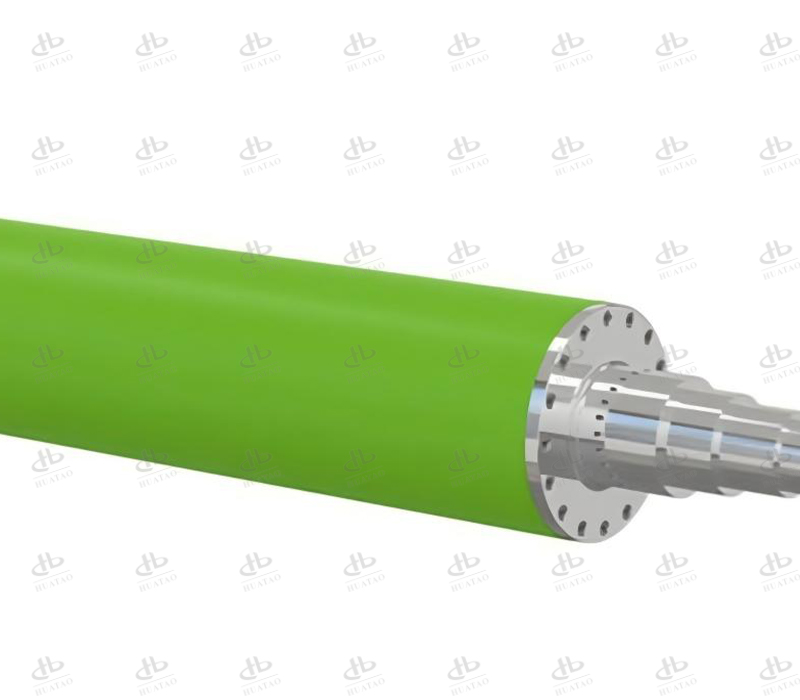
Rubber Coating / Ceramic Coating / Polished Surface |
| Operating Speed |
Up to 2500 m/min |
| Roll Type |
Solid Roll / Hollow Roll / Suction Type Customized |
| Dynamic Balance |
ISO 21940 G2.5 or Higher |
| Runout Accuracy |
≤0.02 mm |
| Inspection |
Dimensional Test, Balance Test, Surface Inspection |
Features
1. Excellent Surface Accuracy
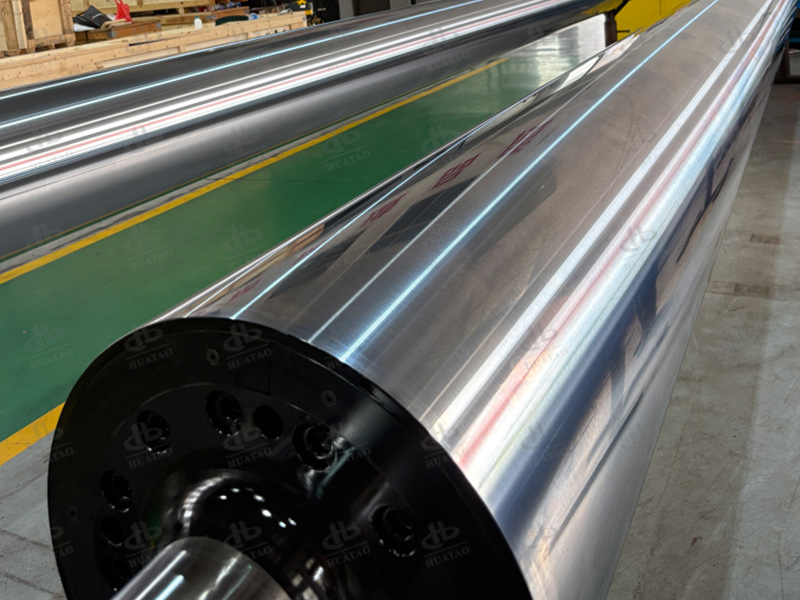
The forming roll requires a highly precise surface finish to ensure smooth contact with the forming fabric.
Benefits:
Reduced fabric wear
Stable web movement
Improved sheet formation
2. Stable High-Speed Operation
Modern paper machines operate at very high speeds. The forming roll is manufactured with accurate balancing and rigid structure to minimize vibration and ensure reliable operation.
3. Improved Drainage Performance
The forming roll helps optimize water removal during the forming process, improving:
Sheet dryness
Fiber distribution
Paper uniformity
4. High Wear Resistance
Advanced materials and surface treatments improve resistance against continuous friction from forming fabrics and extend service life.
5. Excellent Corrosion Resistance
Because forming sections operate in a wet environment, corrosion resistance is essential. Stainless steel materials and protective coatings help maintain long-term performance.
6. Customized Design Capability
Forming rolls can be customized according to:
Paper machine width
Production speed
Paper grade
Drainage requirements
Installation conditions
FAQ
Q1: What is the function of a forming roll in a paper machine?
A forming roll supports the forming fabric, helps control drainage, and improves sheet formation quality during the early stage of papermaking.
Q2: Where is the forming roll installed?
The forming roll is installed in the forming section of a paper machine, working together with forming wires, table rolls, and drainage elements.
Q3: What materials are used for forming rolls?
Common materials include:
Stainless steel
Carbon steel
Alloy steel
Surface coatings such as rubber or ceramic coatings can also be applied according to operating requirements.
Q4: What is the difference between a forming roll and a guide roll?
A forming roll mainly supports the forming process and assists drainage, while a guide roll mainly controls web or fabric direction.
Q5: How does a high-quality forming roll improve paper quality?
A precision forming roll provides stable fabric support, uniform drainage, and reduced vibration, resulting in better sheet formation and improved paper consistency.
Q6: Can forming rolls be customized for different paper machines?
Yes. Forming rolls can be designed according to machine speed, working width, paper grade, and customer technical requirements.

.jpg)
 Related
.jpg)