Swimming Roll: Precision Nip Pressure Control Technology for Modern Papermaking
Introduction:
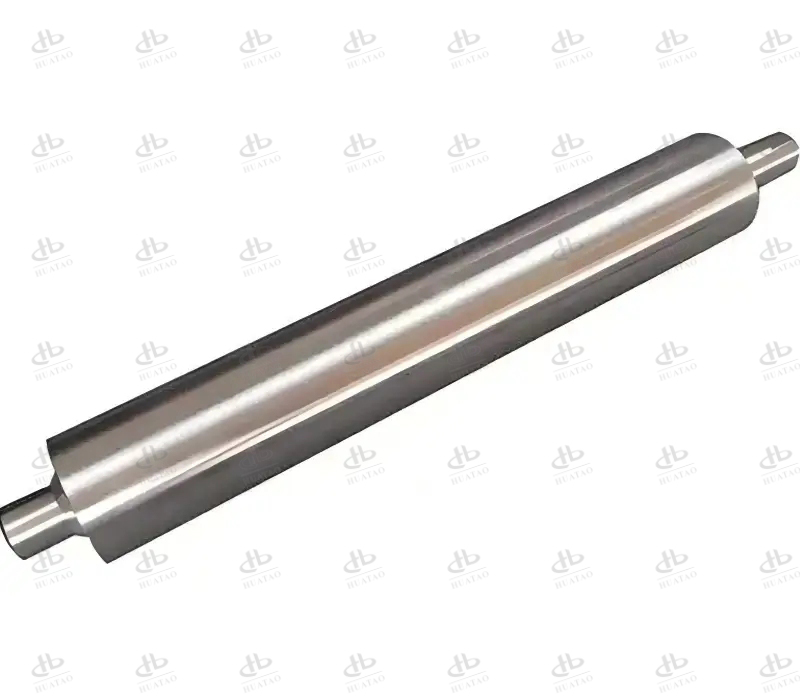
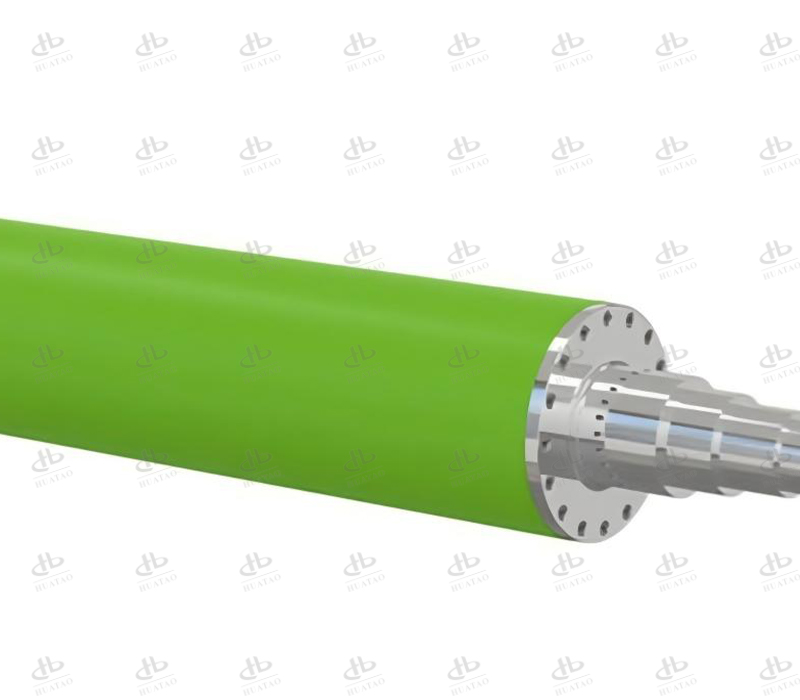
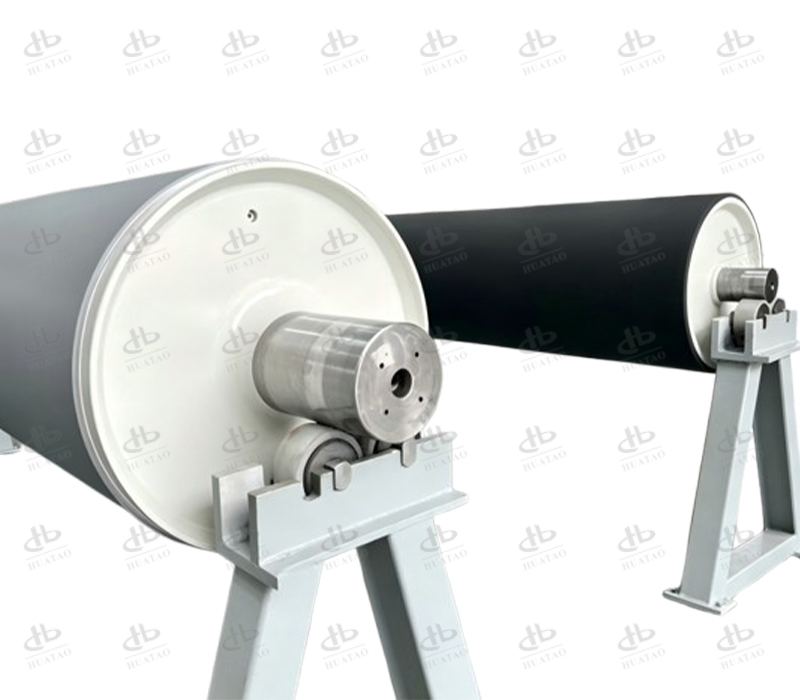
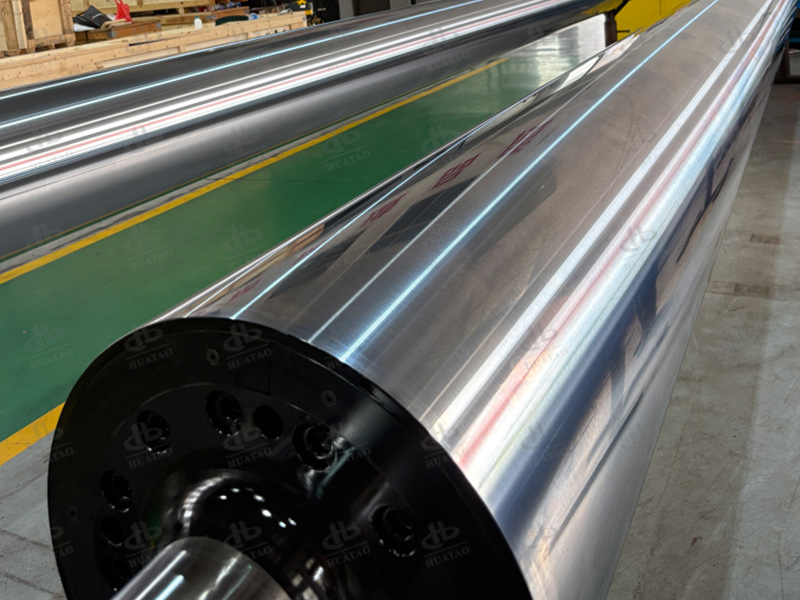
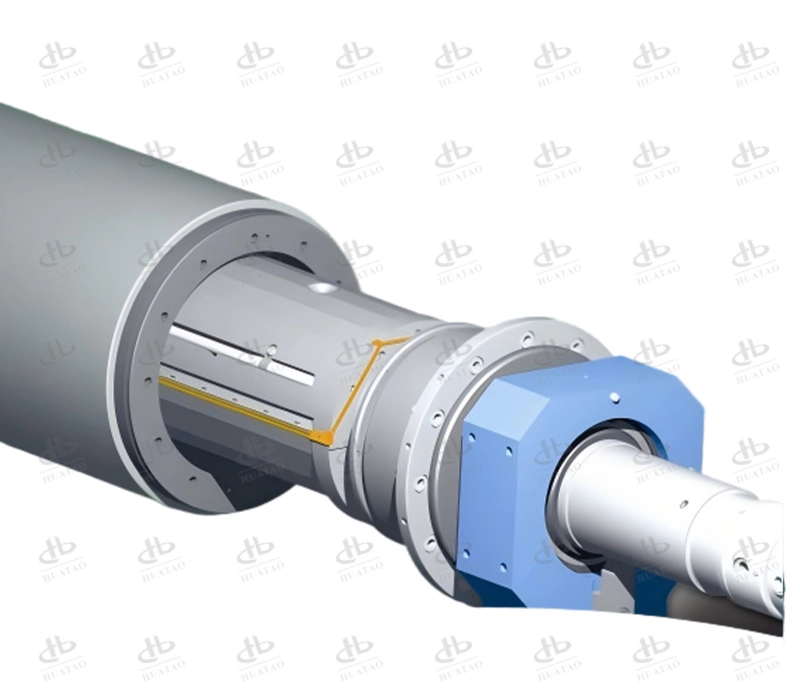
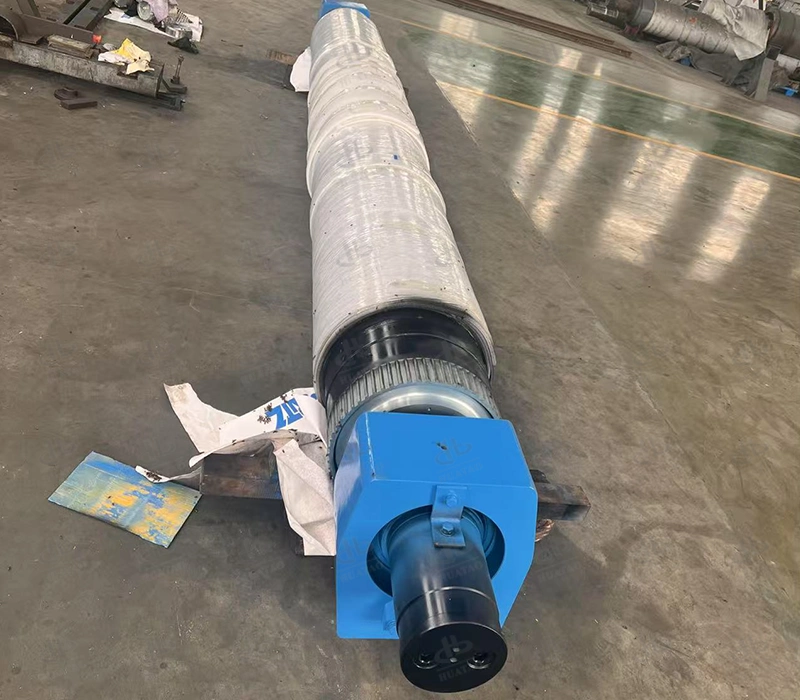
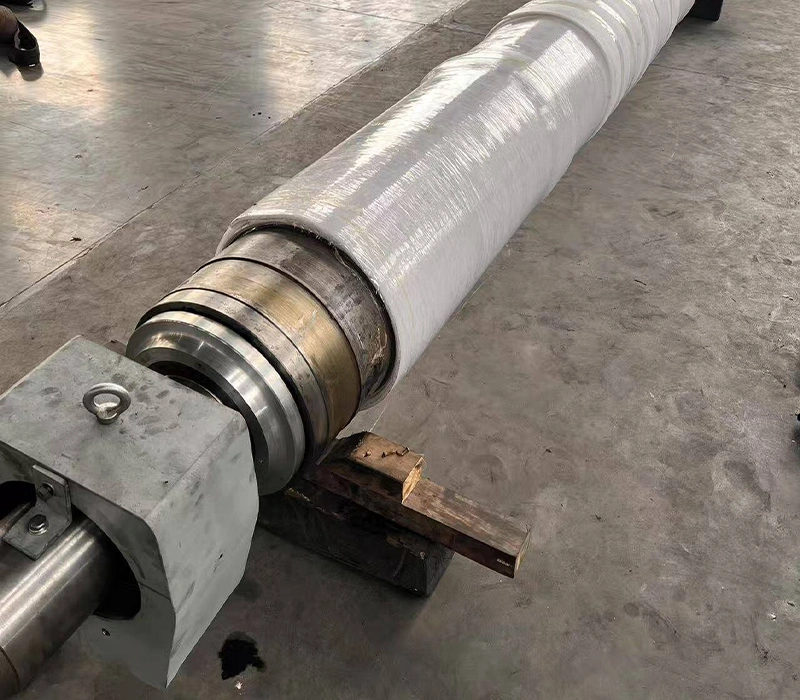
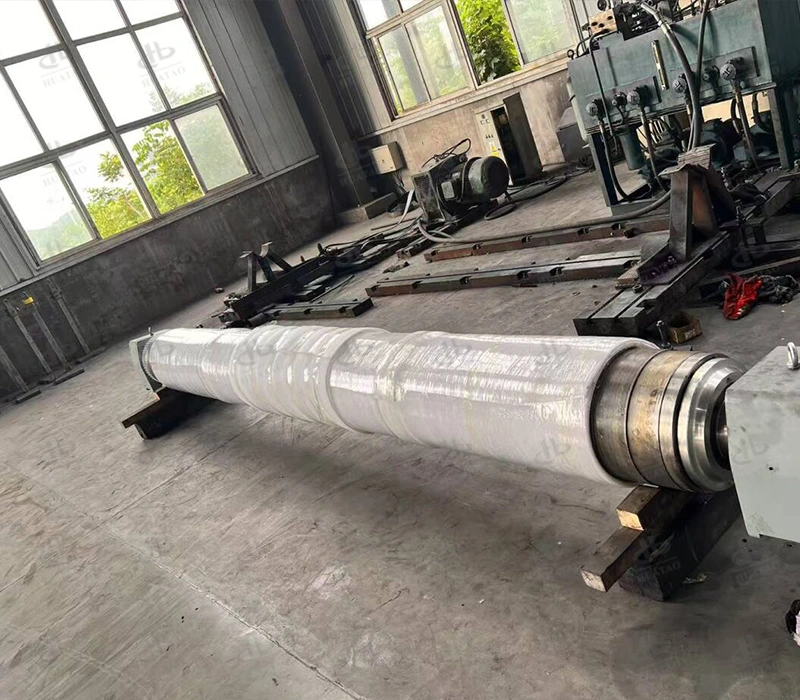
A swimming roll is a specially designed roll equipped with an internal hydraulic loading beam and a rotating shell. Unlike conventional rolls that rely only on the mechanical rigidity of the roll body, a swimming roll uses hydraulic pressure to support the shell from inside.
During operation, hydraulic pressure is applied through internal loading elements, creating a controlled force distribution that counteracts the natural bending of the roll under load.
This allows the roll to maintain a nearly uniform nip pressure between the swimming roll and its mating roll, even under extremely high line pressures.
In modern paper manufacturing, achieving uniform pressure distribution across the entire machine width is one of the most important requirements for improving paper quality and production efficiency. As paper machines become wider, faster, and operate under higher nip pressures, traditional fixed rolls may experience deflection, resulting in uneven pressure distribution and inconsistent paper properties.
To overcome this challenge, the Swimming Roll, also known as a Deflection Compensated Roll, was developed as an advanced solution for precise nip pressure control. By using an internal hydraulic loading system, the swimming roll automatically compensates for roll deflection and maintains a uniform pressure profile across the full working width.
Today, swimming rolls are widely used in press sections, calender systems, coating lines, and other high-pressure applications where consistent performance is required.
Main Functions:
1. Maintaining Uniform Nip Pressure
The primary function of a swimming roll is to achieve consistent pressure distribution across the entire machine width.
Uniform nip pressure helps improve:
Paper moisture profile
Sheet thickness uniformity
Pressing efficiency
Surface quality
This is especially important for wide and high-speed paper machines.
2. Improving Dewatering Efficiency
In press applications, the swimming roll provides stable and optimized pressing force, improving water removal from the paper web.
Higher press dryness helps:
Reduce dryer steam consumption
Increase machine efficiency
Lower production costs
3. Improving Paper Quality
Uneven pressure can cause variations in paper density, moisture content, and thickness. By maintaining consistent pressure, swimming rolls help produce more uniform paper products.
4. Supporting High-Speed Operation
Modern paper machines operate under demanding conditions. The swimming roll provides stable performance at high speeds while reducing vibration and mechanical stress.
Typical Technical Specifications
Roll Diameter: 500–1,500 mm
Face Length: 2,500–12,000 mm
Operating Speed: Up to 2,500 m/min or higher
Shell Material: High-strength steel or alloy steel
Loading System: Internal hydraulic loading beam
Maximum Line Pressure: Customized according to application
Shell Hardness: Designed according to operating conditions
Dynamic Balance: ISO 21940 G2.5 or better
Runout Accuracy: ≤0.02 mm
The hydraulic loading system, shell precision, bearing design, and sealing technology are key factors affecting performance.
Why Swimming Roll Quality Matters
1. Better Pressure Control
A high-quality swimming roll ensures accurate hydraulic loading and stable nip pressure, improving overall machine performance.
2. Higher Production Efficiency
Stable pressing and calendering conditions allow paper machines to operate at higher speeds with fewer quality issues.
3. Reduced Paper Variation
Uniform pressure distribution reduces variations in:
Paper thickness
Moisture content
Surface properties
Basis weight consistency
4. Extended Equipment Life
Advanced design and manufacturing quality reduce mechanical stress, vibration, and wear, resulting in longer service life and lower maintenance requirements.
Applications:
Swimming rolls are widely used in:
Paper machine press sections
Shoe press systems
Calender stacks
Coating machines
Film and laminate production lines
High-pressure web processing equipment
Typical applications include:
Fine paper production
Packaging paper manufacturing
Coated paper production
Board production
Specialty paper processing

 Related
.jpg)